
Our History
Joint Mechanism for Access to Social Protection (JOMAS) was founded in 2018 by a group of educated, dynamic, and committed young people from diverse backgrounds, religions, and communities who shared a common vision of creating positive social change in Uganda. United by a passion for empowering vulnerable populations, the founders came together to address the urgent social, economic, and development challenges affecting young people, women, and underserved communities.JOMAS was established as a youth-led and community-driven organization dedicated to promoting inclusion, empowerment, and sustainable development. What began as a platform for youth advocacy and social protection has since evolved into a growing organization implementing impactful programs in climate-smart agriculture, youth skilling and entrepreneurship, livelihoods and economic resilience, sexual and reproductive health and rights (SRH), education, gender equality, child protection, and community resilience.Over the years, JOMAS has continued to work closely with communities, local leaders, development partners, and stakeholders to strengthen self-reliance, improve access to opportunities, and promote sustainable solutions for refugee and host communities across Uganda. Today, the organization remains committed to nurturing young people as leaders, innovators, and agents of transformation in their communities.
Our Mission
Our mission is to empower communities through transformative education, safeguarding interventions, and youth livelihood programs that foster resilience and promote long-term development.

Our Vision
Our mission is to empower communities through transformative education, safeguarding interventions, and youth livelihood programs that foster resilience and promote long-term development.

Jovita Katusiime, Board Chair.
Every day, I meet young people whose futures are shaped by decisions made about their bodies before they are old enough to make those decisions themselves. Adolescence exposes millions of them worldwide to serious human rights abuses — especially around sexuality, marriage, and childbearing. Girls are coerced into unwanted sex and marriage, often leading to unwanted pregnancies, unsafe abortions, STIs, and dangerous childbirth. Boys are not spared either; both are disproportionately affected by HIV. What troubles me most is how preventable this is. Too many young people are simply blocked from the accurate information and services that could protect them. This is the gap JOMAS exists to close. We work hand in hand with governments, UN agencies, NGOs, and youth organizations to defend adolescents' sexual and reproductive health and human rights — advocating for comprehensive sex education, affordable contraceptives, quality maternal care, STI prevention, and youth-friendly health services. Our Strategic Plan 2022–2026 lays out exactly how we intend to reach young people aged 12–30 with these services. I hope you will walk this path with us

Where We Work?
Currently, JOMAS implements programs across Uganda. Its in 10 districts in the country amplifying youth voices and skills. The organization works closely with young people, women, refugee and host communities to strengthen livelihoods, improve access to education and sexual reproductive health services, promote climate-smart agriculture, and enhance economic resilience. As part of its long-term growth and impact strategy, JOMAS aims to expand its interventions to additional districts of the country to expand its reach and continue with the agenda of youth empowerment. The organization seeks to reach underserved young people in urban, peri-urban, and rural communities who continue to face poverty, unemployment, limited access to information, social exclusion, and inadequate access to essential services and opportunities. Through community-driven and inclusive programming, JOMAS is committed to empowering vulnerable young people with practical skills, entrepreneurship opportunities, climate-resilient livelihood solutions, education support, and access to health and protection services, enabling them to become self-reliant and active contributors to sustainable community development.

Our Target Groups
JOMAS works with young people aged 10–35, with a strong focus on vulnerable, marginalized, and underserved populations. The organization supports adolescents and young people living with HIV (PLHIV), persons with disabilities (PWDs), adolescent girls and young women (AGYW), young parents, survivors of violence, people who use drugs (PWUDs), young people engaged in high-risk livelihoods, and individuals at risk of abuse, exploitation, and social exclusion. Through inclusive and rights-based programming, JOMAS promotes access to education, sexual and reproductive health (SRH), psychosocial support, livelihoods, climate-smart and sustainable economic opportunities, leadership development, and protection services that empower young people to live healthy, safe, and productive lives. In addition, JOMAS collaborates closely with professionals, institutions, and key stakeholders within the health, education, media, agriculture, and environment and climate sectors to strengthen community systems, promote awareness and behaviour change, and advance sustainable development initiatives that respond to the evolving needs of young people and communities across Uganda.
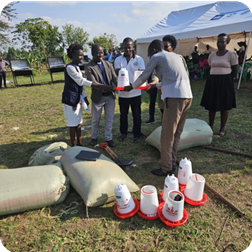
Empowering Smallholder Farmers Through Sustainable Agriculture
JOMAS works with smallholder farmers, young people, women, and vulnerable communities across Uganda to promote climate-smart agriculture, improve household incomes, and strengthen sustainable livelihoods. Through agricultural training, enterprise support, and the formation of Village Savings and Loan Associations (VSLAs), the organization enhances financial inclusion, entrepreneurship, food security, and economic resilience. To date, JOMAS has supported over 1,000 smallholder farmer groups across Uganda.
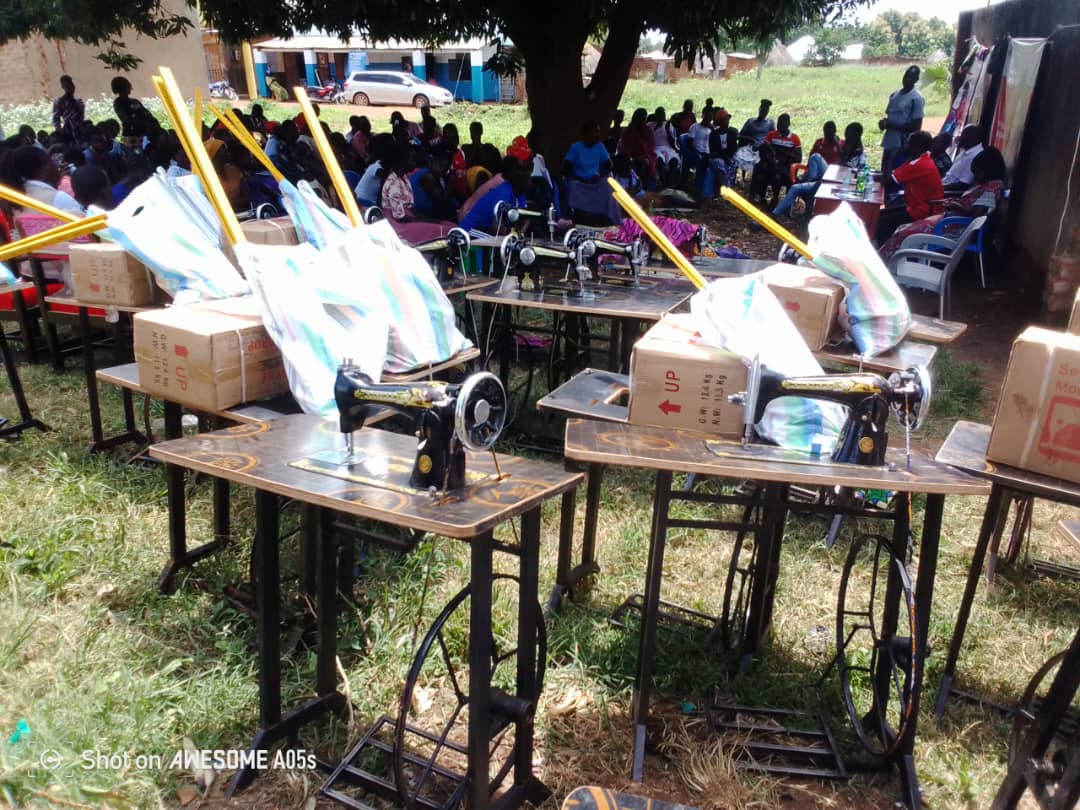
Youth Skilling for Employment and Economic Empowerment
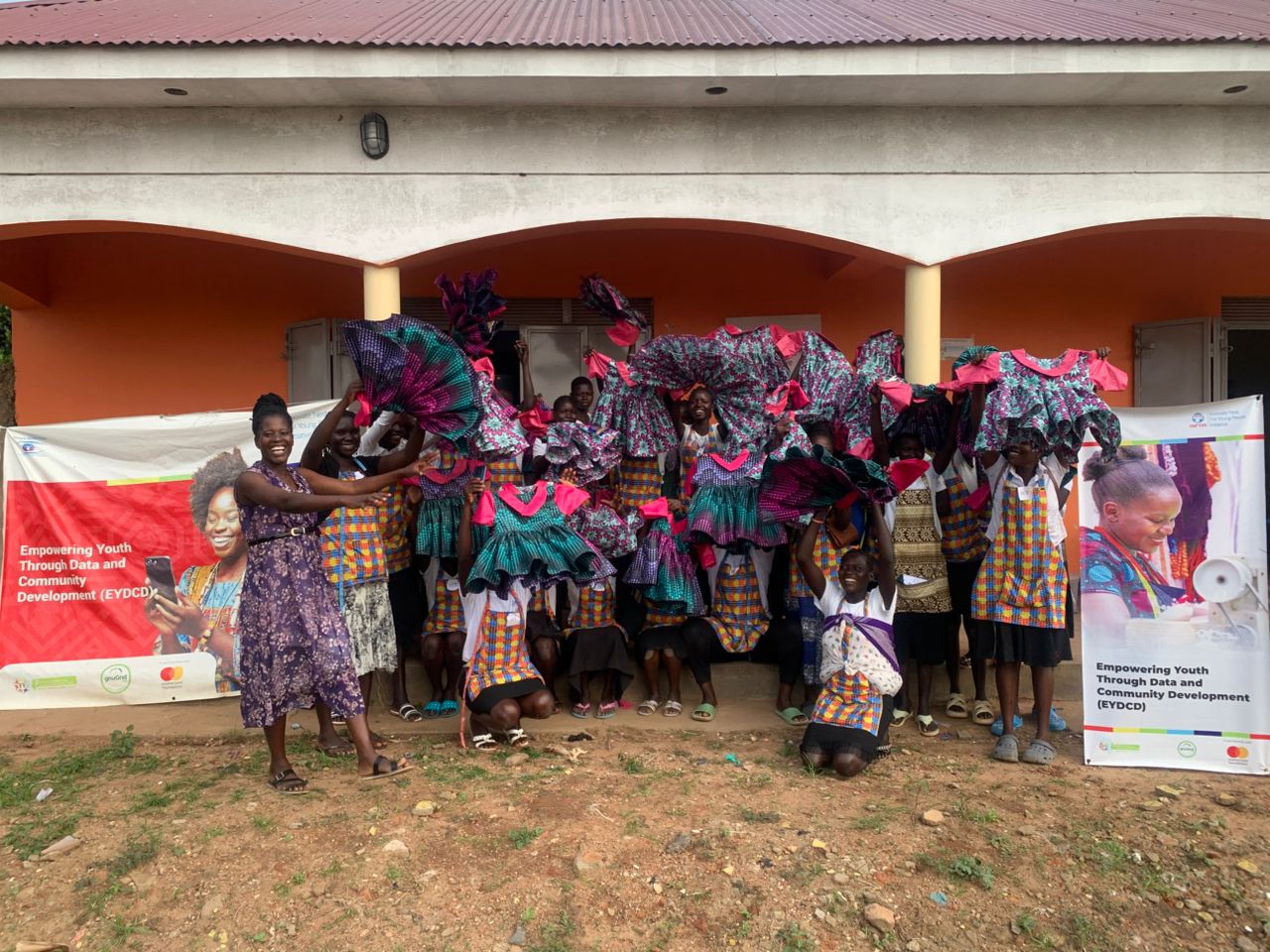
JOMAS equips vulnerable young people with vocational, technical, and entrepreneurship skills that promote employment, self-reliance, and economic empowerment. To date, the organization has skilled over 6,000 young people across Uganda, with more than 3,750 transitioning into employment and self-employment opportunities. Over 70% of beneficiaries are adolescent girls and young women, with training areas including tailoring, reusable sanitary pad making, carpentry, and other market-driven livelihood skills targeting vulnerable and unemployed youth.
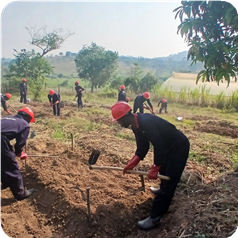
Promoting Climate Action and Environmental Conservation
JOMAS promotes climate-smart agriculture and environmental conservation to strengthen community resilience, improve food security, and support sustainable livelihoods. Through awareness campaigns, farmer training, and practical demonstrations, the organization has reached over 12,000 community members and directly supported more than 1,000 smallholder farmers across Uganda. These interventions have contributed to productivity increases ranging from 20% to 45%, while also strengthening farmers’ access to markets, improving post-harvest handling practices, and increasing the value and profitability of agricultural produce.
Gender Inclusion and Safeguarding
JOMAS is committed to promoting gender equality, social inclusion, and safeguarding across all its programs and operations. The organization prioritizes the participation of women, girls, persons with disabilities, refugee populations, and other vulnerable groups to ensure equal access to opportunities, services, and community leadership. With over 70% female participation integrated into many of its interventions, JOMAS creates safe and inclusive spaces that empower young people through education, livelihoods, SRH, and economic empowerment programs. The organization maintains zero tolerance for sexual exploitation, abuse, harassment, discrimination, and all forms of violence, while promoting dignity, protection, and wellbeing for all beneficiaries and stakeholders.

Joshua Twinomujuni, Executive Director
We measure our impact in the lives that shift because someone showed up. When we engage stakeholders on SRH policy influence and formulation, it's because a young person somewhere deserves a health system that actually sees them. When survivors of gender-based violence join our Women Arise programme to learn business development and VSLA formation, we watch women rebuild not just their confidence, but their independence, one savings group at a time. When we train peer educators to deliver sexuality education to young people with disabilities, we're closing a gap that too many organizations overlook, because every young person deserves to understand their own body and choices. And when youth-led climate action hubs launch green entrepreneurship training in rural Uganda, we see something remarkable: young people refusing to wait for someone else to solve the climate crisis, choosing instead to build their own solutions. This is JOMAS in practice — not a single program, but a web of commitments that reinforce one another, each rooted in the belief that young people are not problems to be managed, but partners to be trusted.